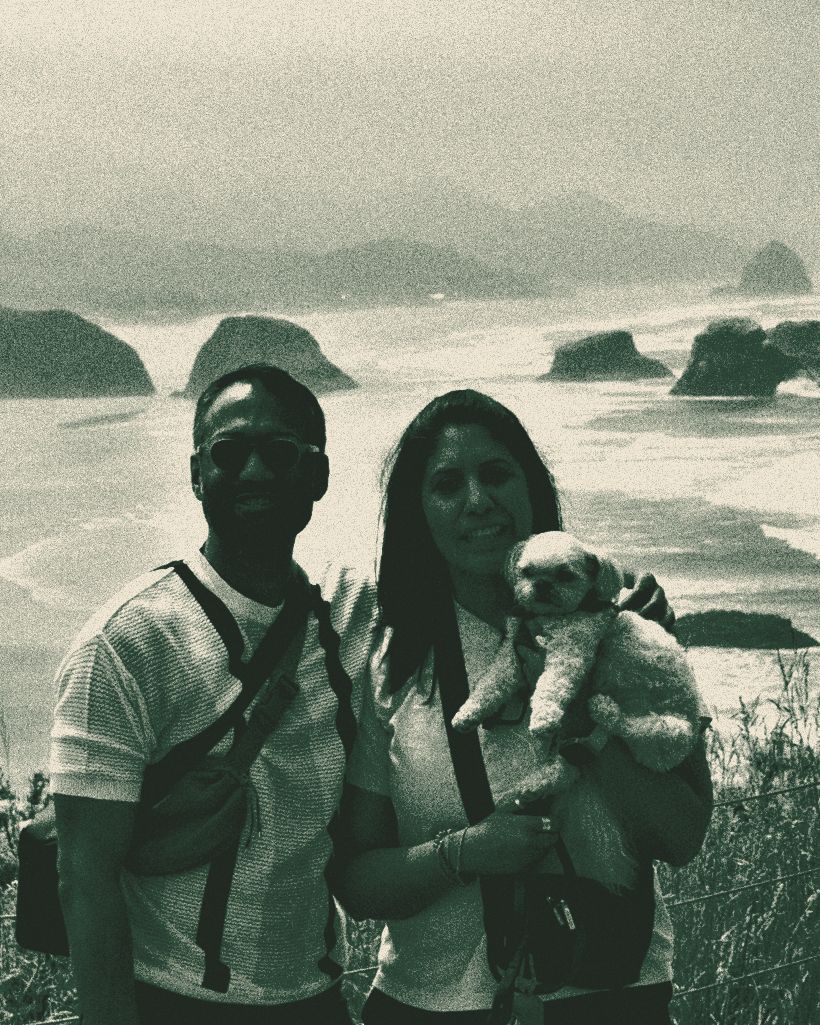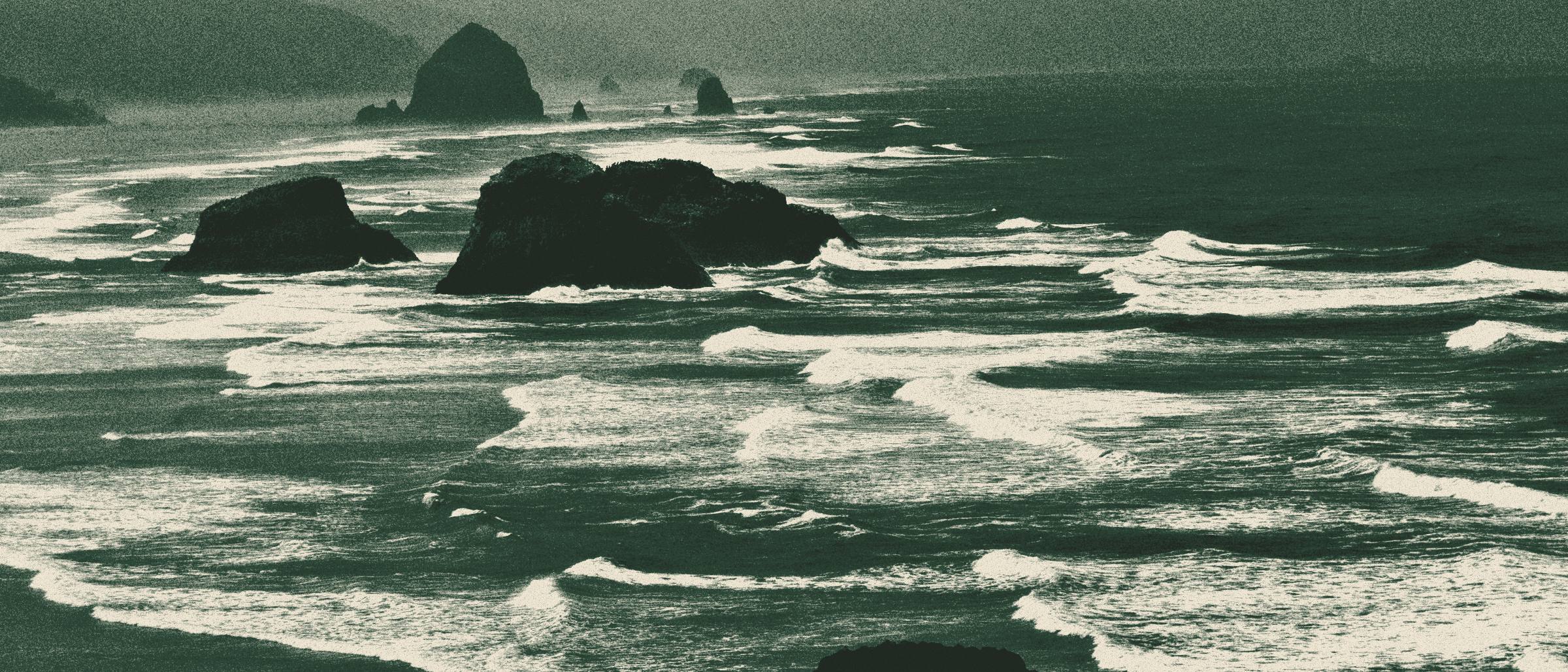
The most photographed rock on this coast is not from this coast. Haystack Rock is basalt, poured out somewhere in the Blue Mountains and the Columbia Basin between fifteen and sixteen million years ago, from a source geologists believe is the hotspot now sitting under Yellowstone. It travelled a long way west to stand in the surf at Cannon Beach, 235 feet of it. Thousands of people photograph it every summer and not one of them has ever asked it where it is really from.
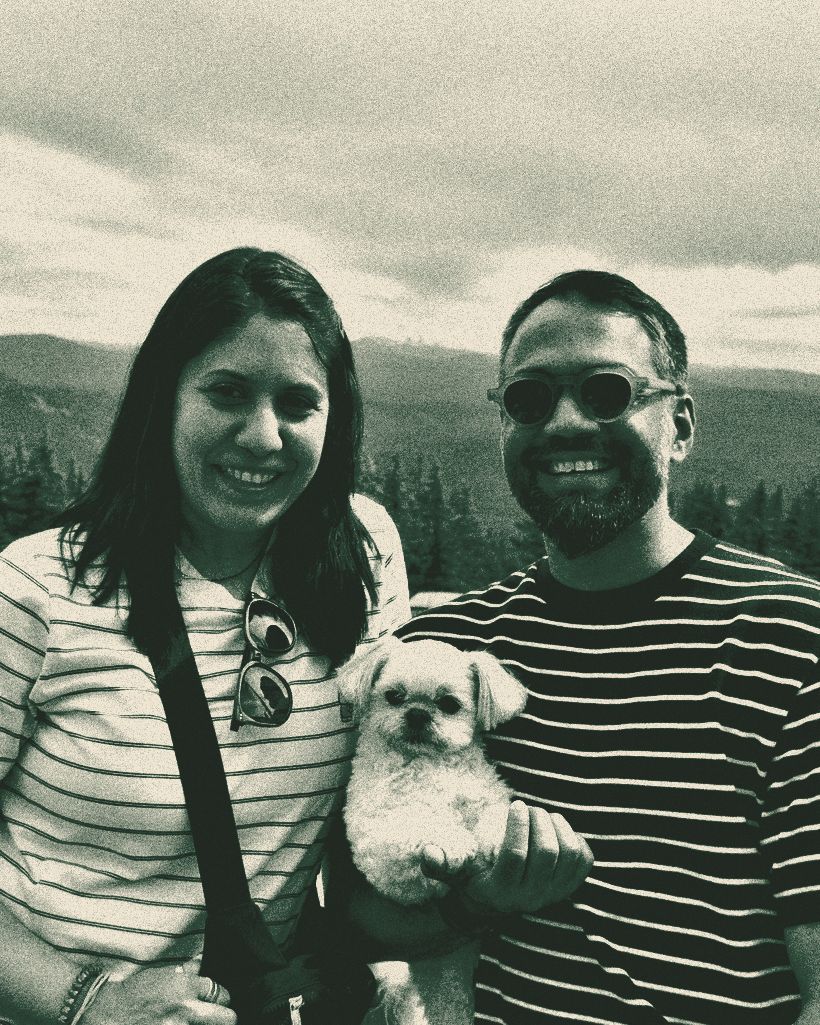
It was 105 degrees in Austin that Wednesday. Sam and I had been talking about cold air for weeks, the way you talk about water when you are thirsty. We got on a 5:41 flight and went two thousand miles northwest with Mowgli, our seven-year-old Shih Tzu, who has strong opinions about airports.
I have been in this country long enough to know its script. Work hard, consume more, optimise everything. Even your holidays come with a rating system. Somewhere over the Cascades, Mount Hood came up out of the clouds and I nearly came out of my seat. I come from a place where the mountains did not need a gift shop to feel sacred.
The city, in no hurry to be liked
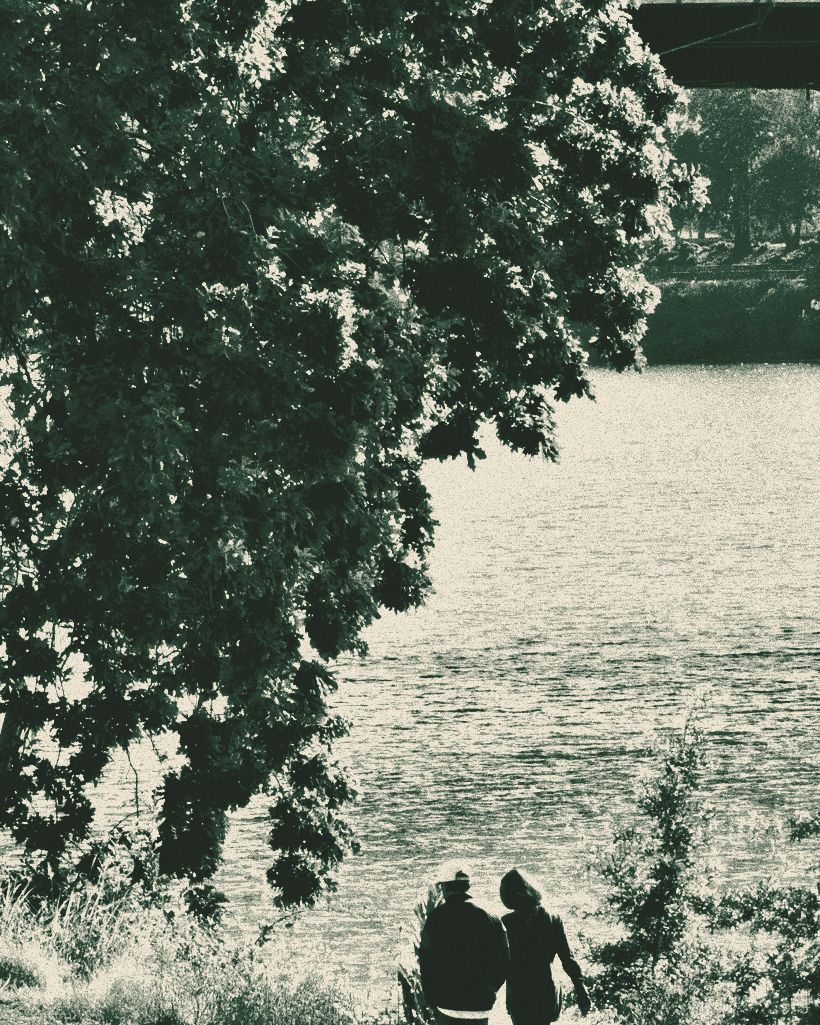
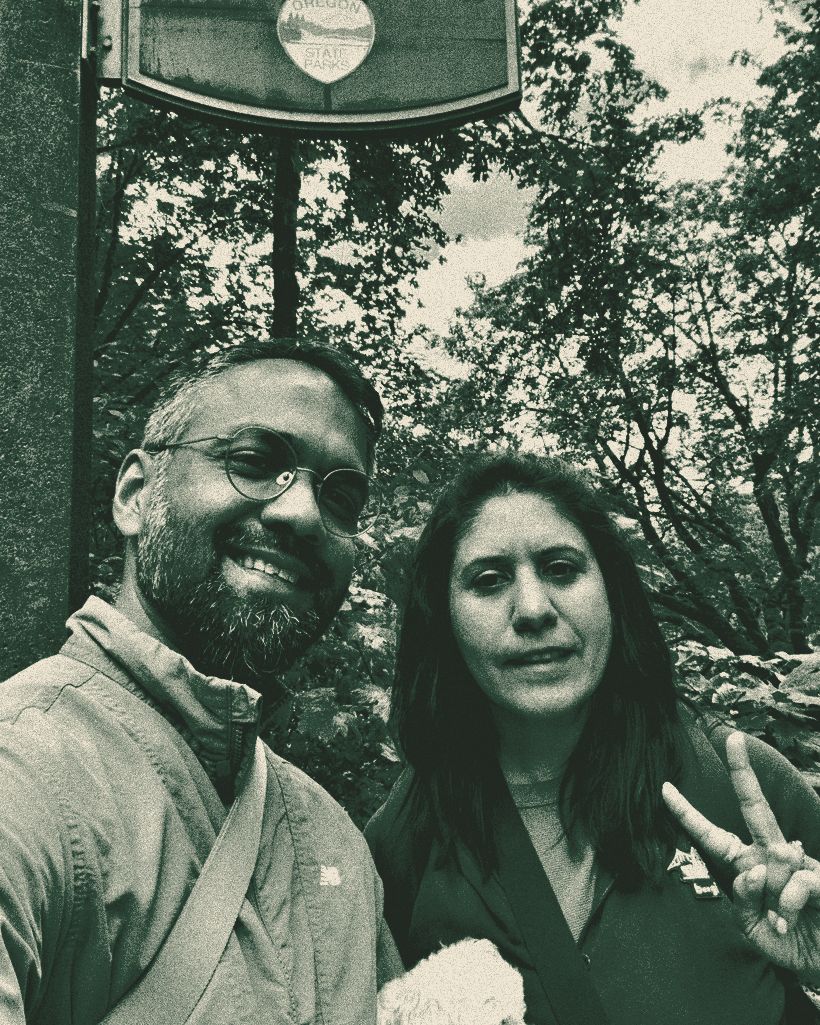
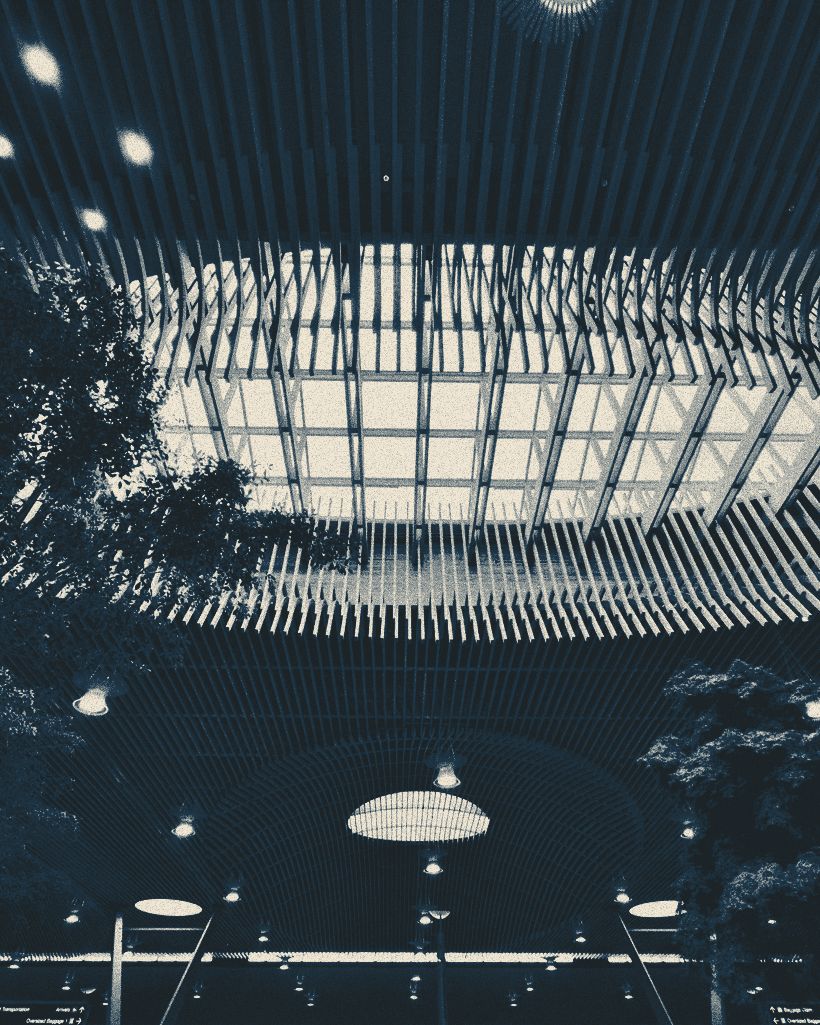
We walked down to the river before anyone was up. The pavement was still wet and we had whole blocks to ourselves. Portland does not perform for you. It exists. Quiet, a little worn, in no hurry to be liked. The Willamette runs straight through the middle of it with a bridge every few blocks, and there were boats out already. Sam was ahead of me with Mowgli, who was absolutely certain the entire city had been built for him.
I kept waiting for something to bother me. The river did not care. It moved.
Later we drove up to Timberline Lodge on Mount Hood's south side. WPA crews built it from 1936, carving the beams by hand, and women hired through the Women's and Professional Project wove the fabrics and hooked the rugs inside it. Roosevelt dedicated it in the autumn of 1937 and it opened to the public in February 1938. It is one of the few buildings I have stood in that was made by people who needed the work as much as the country needed the building. And now there is a counter at its feet selling the view back to me. Beauty with a price.
The coast, and the air that was not Oregon
On the Friday we drove west, Highway 26 straight through. Spruce, hemlock, moss growing on everything. The air came through the window cold and wet and for a second I was not in Oregon at all. It was Himachal in October.
That is the whole reason I came. Not the coast. The temperature.
I have felt that maybe a handful of times and always in front of something old enough not to care. Rock that predates language, predates religion, predates every line we have drawn between each other. That is the only thing I have ever found familiar, no matter where I go.
And then someone walked between me and the rock to get a better angle for their Instagram, and the gift shop was back.
From Ecola you can usually see Tillamook Rock, a lighthouse a mile and a bit offshore, first lit on 21 January 1881 and switched off for good in 1957 after seventy-six years. That morning the fog was total. We stood at the rail and saw nothing at all, and the question that followed me down the headland was this: am I looking for India to show up?
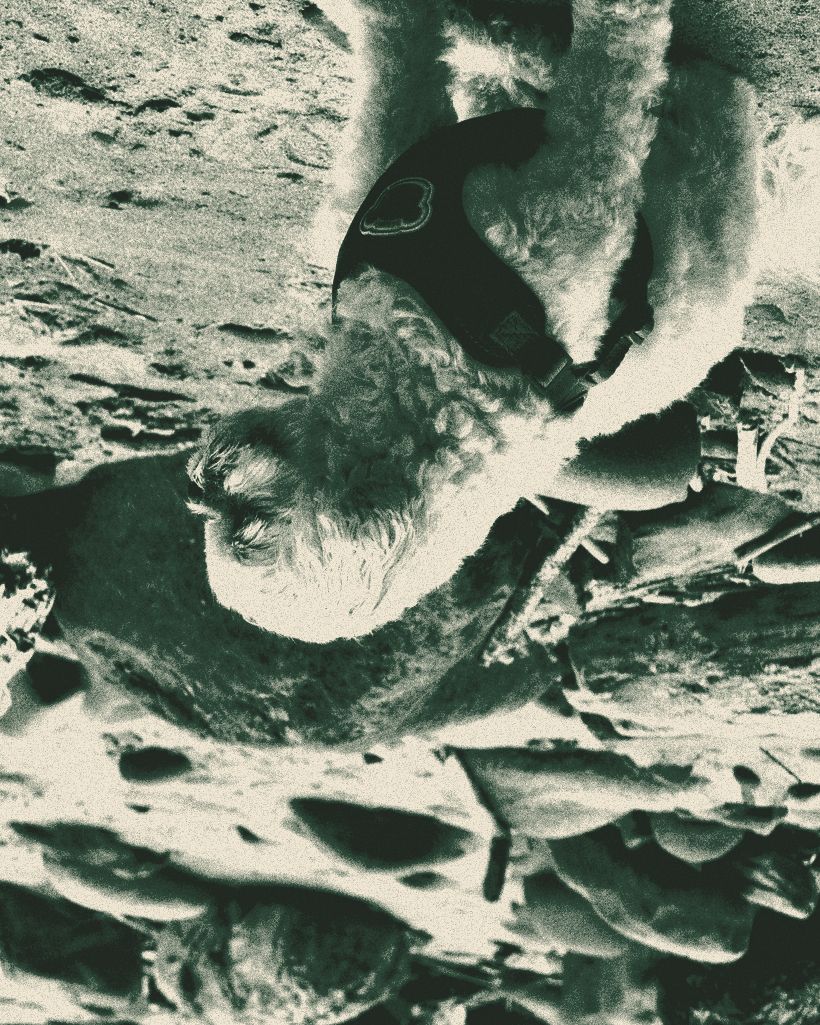
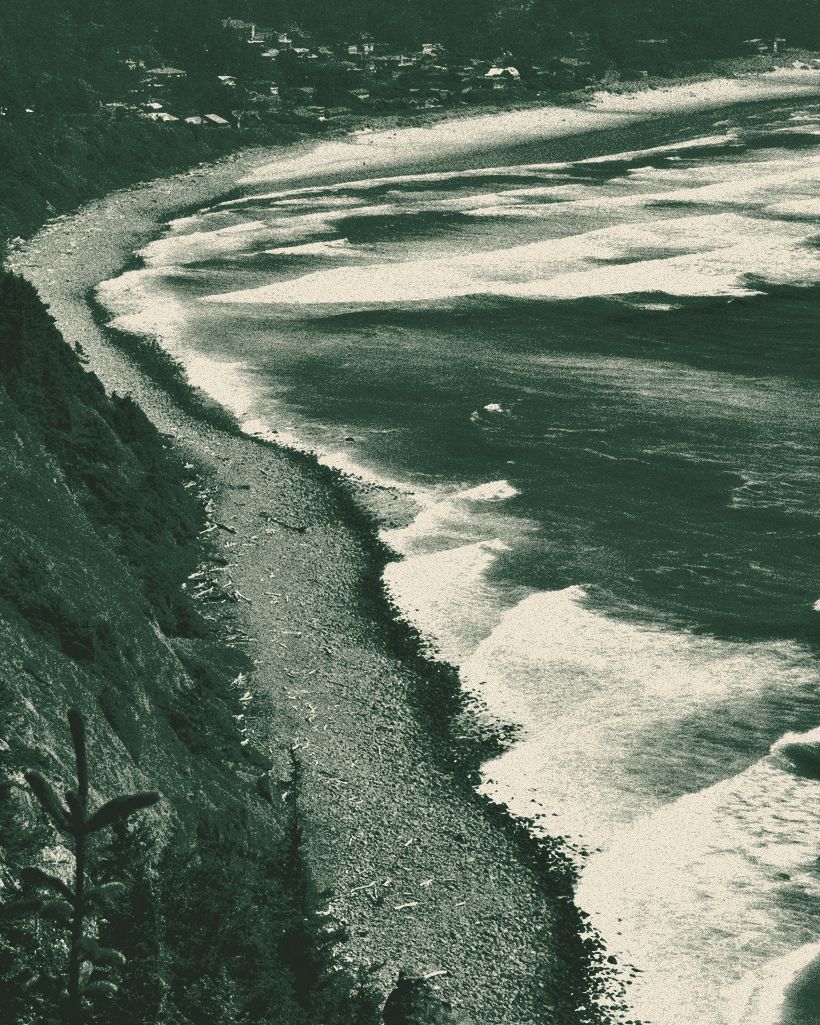
Late afternoon we went into the coastal forest, where the ferns grow waist high and the light arrives already used. Down on the beach there is driftwood everywhere, whole trees stripped white and stacked up by the tide.
My second-generation friends tell me there is a specific kind of grief nobody warns you about. It is not homesickness exactly. It is the slow understanding that the place you left has kept going without you.
The gorge, and driving past the famous one
We drove east into the Columbia Gorge. The plan was Multnomah Falls, 620 feet in two drops, cut when the Missoula floods came through about fifteen thousand years ago. Two million people visit it a year. You need a timed permit to stand in front of it and I had one, for four o'clock.
Somewhere on the approach I understood that I had been a tourist in my own belonging, visiting the idea of home rather than living in it. We drove straight past the exit, and the second we did I felt about ten pounds lighter.
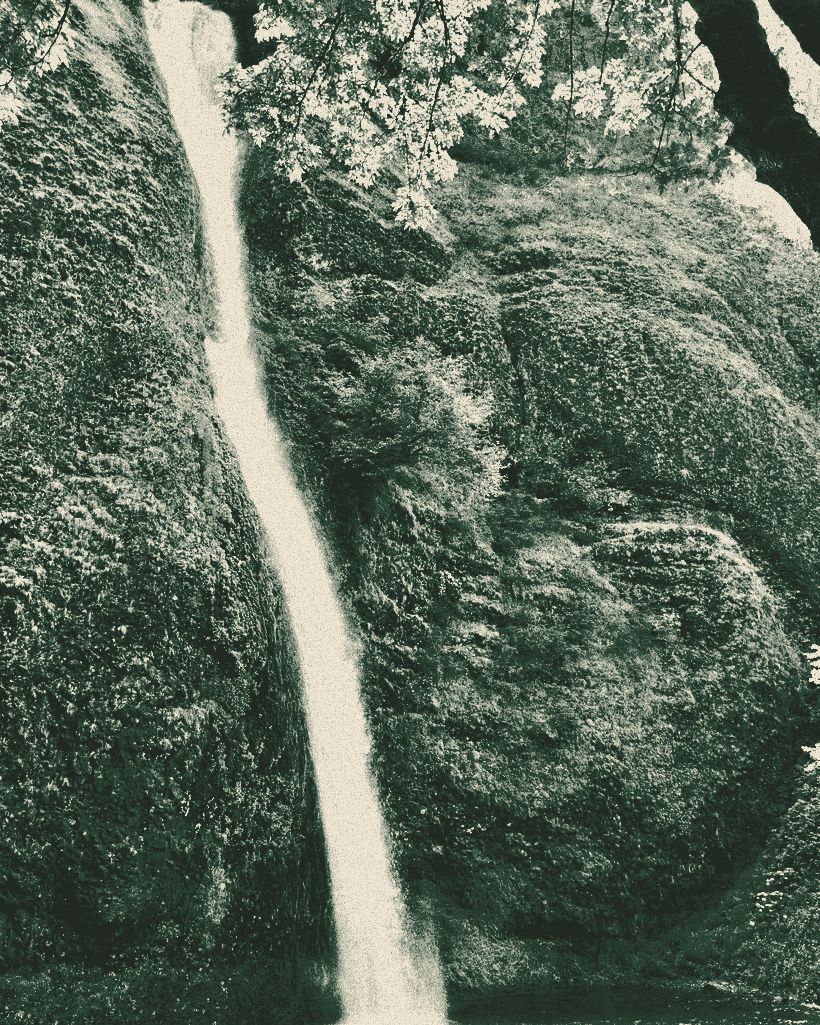
Ten minutes further on is Latourell Falls, in Guy W. Talbot State Park. It comes off an overhanging cliff in one drop, around 249 feet, no tiers and no steps, straight down a wall of columnar basalt with a patch of yellow lichen beside it that photographers drive out specifically to shoot. The upper falls are a 2.1 mile loop through the trees.
There were six people there. Six. Two million go to the other one. The water came down so hard you had to raise your voice, and I stood in it thinking this is the best decision I have made in years.
I used to think belonging was a summit, something you climb to and plant a flag on. The gorge taught me otherwise. Water does not reach where it is going by force. It keeps moving. It carves the rock by staying with it.
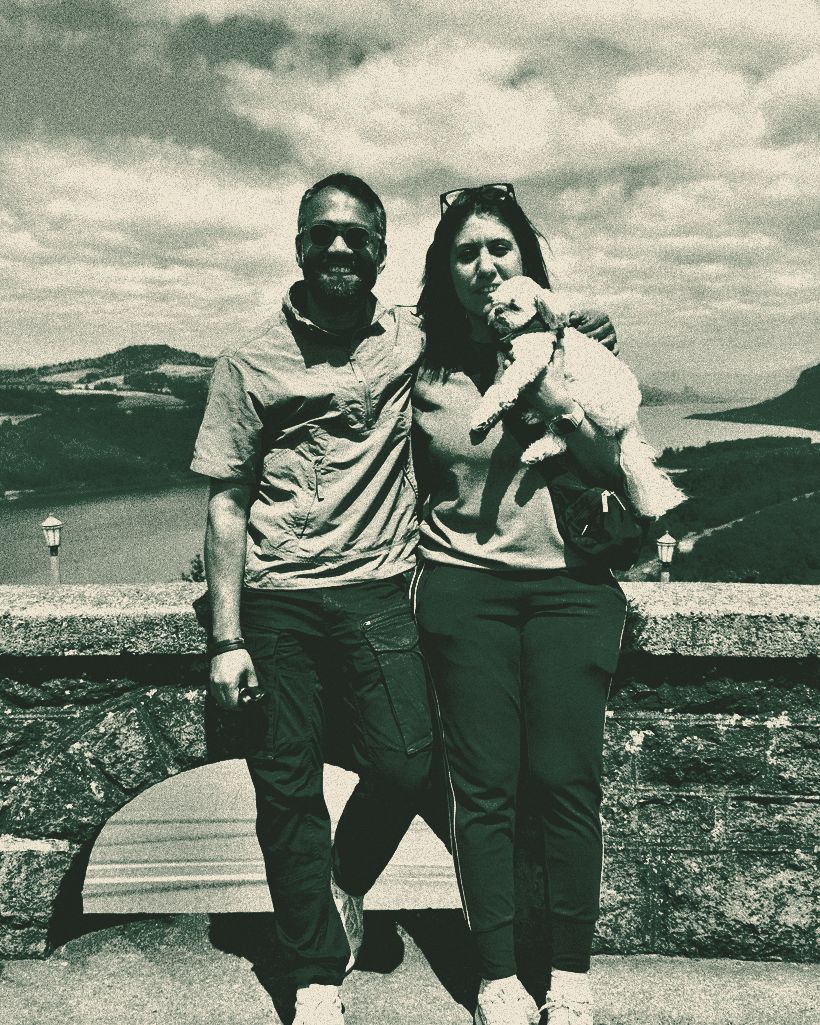
Vista House has been up at Crown Point since 1918, dedicated on the fifth of May that year, 733 feet above the river. They built it as a memorial to the people who came out this way. From up there the river does not look like it is moving at all. It took millions of years to cut that gap through the mountains and it looks like it is standing perfectly still.
What four days of water was actually about
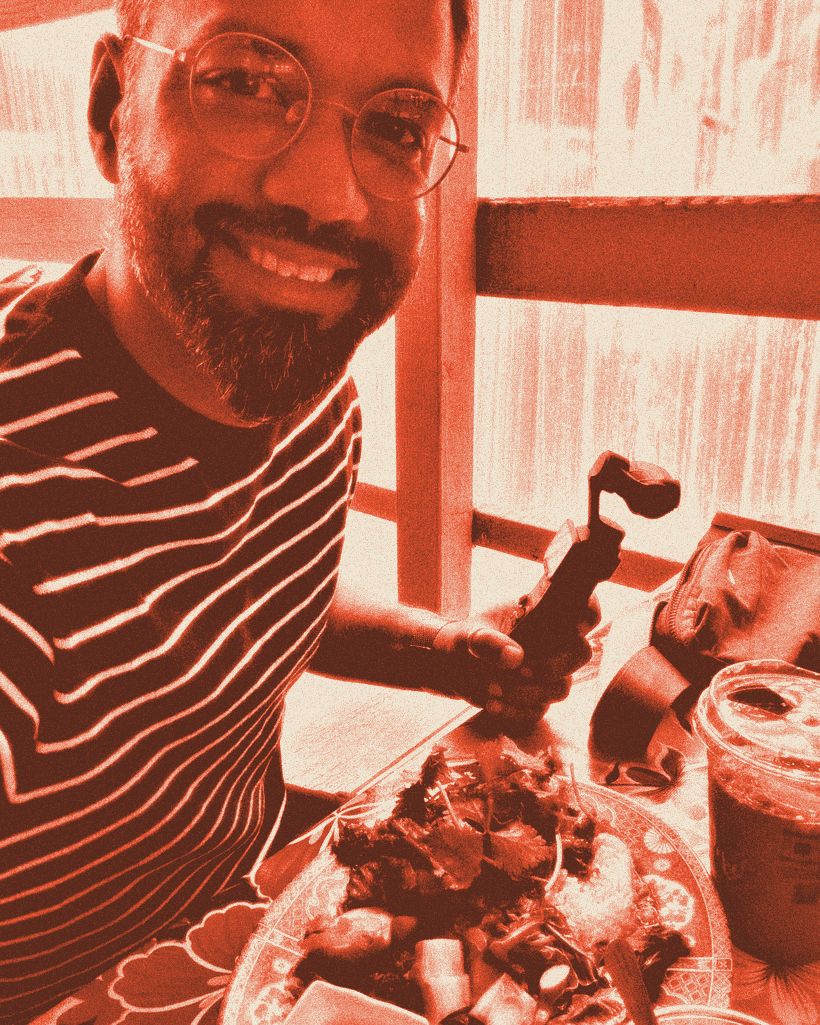
Four days, four kinds of water. River, surf, creamery ice and waterfall. Sam had been at the edge of every one of them, usually a few steps ahead, sometimes a few steps behind, usually with Mowgli. She has been in every landscape I have ever stood in and felt lost. She has never once asked me to stop looking. She stays.
A lighthouse does not chase the ship. It keeps the light on.
We drove back west on 84, losing the light, and somewhere on that drive past the murals and the bridges I stopped trying to resolve the question. The Himalayas did not feel like home because they were Indian. Bombay did not feel like family because I spoke its language. It was because I was willing to be changed by them.
Maybe that is all belonging ever asks. Not your passport, not your accent. Just, are you willing to be changed?